
STI Testing & Treatment
Your Health. Your Well-Being. Your Future.
STIs are very common, and many have no noticeable symptoms. You can feel completely healthy and still have an infection. Getting tested is a simple way to know for sure, and finding an STI early means treatment can begin promptly and help protect your health.
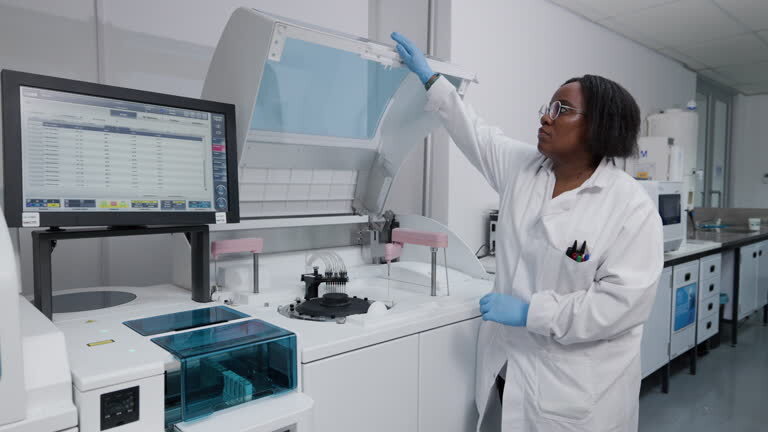
Circle of Hope offers free, confidential STI testing and treatment for women, men, and teens in a comfortable, welcoming setting. Our comprehensive PCR-based testing can accurately detect a broad range of sexually transmitted infections.
The process is simple and may involve a urine sample, blood draw, or both, depending on what is appropriate for you.
Whether you have symptoms, are concerned about a possible exposure, or simply want peace of mind, we’re here to answer your questions, help you understand your results, and make sure you know what comes next.
Possible Signs of a Sexually Transmitted Infection (STI)
When an STI does cause symptoms, they may include:
- Burning or pain during urination
- Unusual vaginal or penile discharge
- Sores, blisters, bumps, or warts on the genitals, mouth, or anus
- Pelvic pain or pain during sex
- Itching, irritation, or a rash in the genital area
- Abnormal vaginal bleeding
- Swollen lymph nodes, fever, or flu-like symptoms with certain infections
STI Testing During Pregnancy
During pregnancy, STI testing is especially important because some infections can affect both you and your baby. Identifying and treating an infection early may reduce the risk of certain pregnancy complications and help protect your baby’s health.

Treatment & Follow-Up
If an infection is found, our medical provider will review your results with you, explain what they mean, and discuss the recommended care. When medication is appropriate, we’ll explain how to take it, what to expect, and answer any questions you may have.
Treatment available through Circle of Hope is provided at no cost. Depending on the infection, follow-up testing or additional medical care may be recommended. If ongoing management or specialty care is appropriate, we’ll help arrange follow-up and make sure you have the information you need along the way.

Your Questions, Answered Honestly
Yes, if you are sexually active, STI testing can be an important part of caring for your health—even if you feel completely well. Many STIs cause no noticeable symptoms, so testing is the only way to know for sure.
If you have had a new partner, more than one partner, unprotected sex, are concerned about a possible exposure, or simply want peace of mind, we’re here to help. Circle of Hope offers comprehensive STI testing for women, men, and teens, along with treatment when needed—all free of charge.
Yes. Many STIs cause no symptoms at all, especially in their early stages. Even if you feel completely healthy, an untreated infection can sometimes lead to complications or be passed to a partner. Testing is often the only way to know for certain.
It depends on the specific infection. Some STIs can be detected within days, while others require more time before testing is accurate. If you’ve had a recent exposure, we’ll help determine the best time to test and whether repeat testing may be recommended.
The right testing schedule depends on your age, sexual history, pregnancy status, risk factors, and current medical guidelines. Some people only need testing occasionally, while others benefit from routine screening. We’ll help you determine what may be appropriate for your situation.
Yes. Some untreated STIs can increase the risk of pregnancy complications or be passed to a baby during pregnancy or delivery. The good news is that early detection and appropriate treatment can often greatly reduce these risks, which is why testing is an important part of prenatal care.